
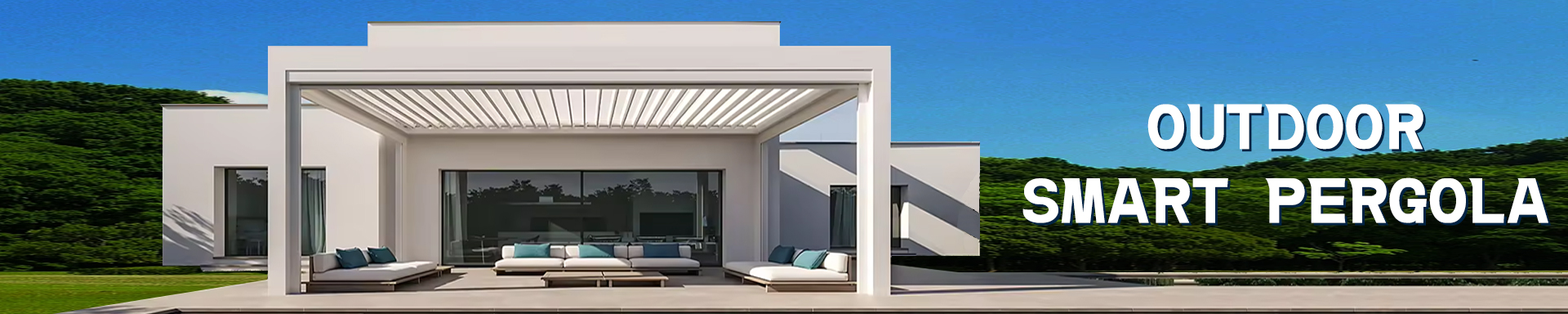
1. Criteria for Ranking Top 10 Heavy-duty Aluminum Carports in 2026
When ranking the top options for 2026, the focus stays on measurable performance, not marketing language. A Heavy-duty Aluminum Carport only earns a top position when it meets real-world demands such as structural load, long-term material stability, and climate adaptability. These criteria come directly from residential and light-commercial installations where carports must protect vehicles year-round without frequent repairs or upgrades.
1.1 Structural Strength and Load Ratings
Structural strength defines whether a carport can handle snow loads, wind uplift, and daily stress without deformation. In cold regions like the Midwest or Canada, installers typically look for roof load ratings above 40–60 lbs/ft², while coastal or open-area projects prioritize wind resistance above 120 mph.
A contractor in Colorado, for example, selected a reinforced heavy-duty carport system after repeated steel frame failures under snow accumulation. The aluminum frame used thicker beams and cross-bracing, which reduced mid-span deflection during winter storms.
| Structural Factor | Typical Residential Range | Heavy-duty Requirement |
|---|---|---|
| Snow Load Capacity | 20–30 lbs/ft² | 40–60+ lbs/ft² |
| Wind Resistance | 90–100 mph | 120–150 mph |
| Beam Span | 10–12 ft | 15–20 ft |
Strong load ratings directly reduce long-term deformation and roof sag, which explains why this metric carries heavy weight in 2026 rankings.
1.2 Aluminum Grade, Thickness, and Frame Design
Material selection separates standard shelters from top-ranked structures. Most high-performing models rely on 6063-T5 or 6061-T6 aluminum, known for balanced strength and corrosion resistance. Frame thickness usually ranges from 2.0 mm to 3.5 mm, depending on span width.
In suburban California projects, builders often prefer a Modern Metal Carport layout because its rectangular columns and concealed fasteners distribute stress evenly across the frame. Meanwhile, hillside homes or irregular driveways benefit from Custom Aluminum Carport solutions, where beam spacing and column placement adapt to site constraints instead of forcing standard dimensions.
Thicker profiles and rational frame geometry matter more than surface appearance, especially for wide-span designs.
1.3 Weather Resistance Across Different Climates
A top-ranked carport must survive heat, humidity, snow, and salt exposure without constant maintenance. Powder-coated finishes with 60–80 μm coating thickness outperform basic anodized surfaces in coastal and high-UV zones.
For example, a logistics facility in Florida upgraded to a Commercial Aluminum Carport after steel structures showed corrosion within three years. The aluminum system, combined with sealed joints and drainage channels, handled salt air and heavy rain with minimal upkeep.
Installers usually follow a simple evaluation process:
-
Identify dominant climate stress (snow, wind, salt, heat).
-
Match coating type and thickness to exposure level.
-
Confirm drainage and roof pitch suit local rainfall or snowmelt patterns.
Climate-specific durability directly influences lifecycle cost, which is why weather resistance remains a decisive ranking factor for 2026.
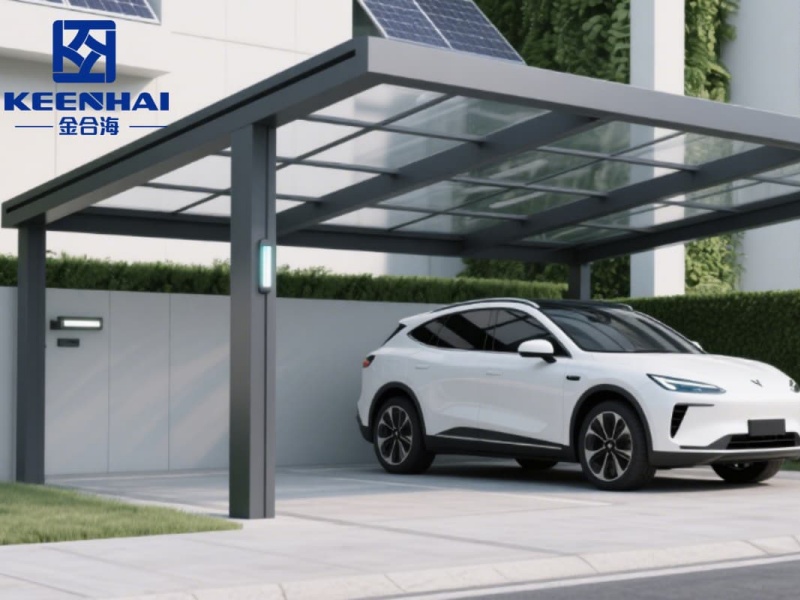
2. Top 10 Heavy-duty Aluminum Carports by Structural Type
Structural type plays a decisive role in how a Heavy-duty Aluminum Carport performs over time. In 2026 rankings, designs earn top positions based on span efficiency, vehicle coverage, foundation demands, and how well the structure adapts to real residential or light-commercial sites. Below, the focus stays on structure-first logic rather than appearance-driven choices.
2.1 Single-Span Heavy-duty Aluminum Carports
Single-span designs dominate residential rankings because they balance strength with installation efficiency. Most top-rated single-span structures cover widths of 3–4 meters, which suits standard sedans and SUVs without requiring intermediate columns.
In suburban neighborhoods, installers often choose this format to avoid blocking doors or walkways. A typical single-span setup uses reinforced side beams and a slightly pitched roof, which improves water runoff while maintaining a clean profile.
From a practical standpoint, installers usually follow this sequence:
-
Anchor two main columns with concrete footings sized to local soil conditions.
-
Install pre-engineered beams with integrated drainage channels.
-
Secure roof panels with concealed fasteners to reduce long-term loosening.
This structure ranks highly because it delivers predictable performance with minimal site disruption, especially for homeowners upgrading from fabric or steel shelters.
2.2 Double and Multi-Vehicle Heavy-duty Carport Structures
Double and multi-vehicle configurations rise in the rankings when space efficiency matters more than footprint size. These structures typically span 5.5–7.5 meters, accommodating two to three vehicles under one continuous roof.
In multi-car households or shared driveways, builders prefer this layout to avoid installing multiple smaller units. Reinforced center beams or portal frames handle the increased load, while column spacing stays wide enough to allow door clearance on both sides.
A common real-world scenario involves corner-lot homes where owners park an SUV and a pickup side by side. Wide-span aluminum frames reduce column count, which simplifies daily parking and lowers long-term maintenance caused by accidental vehicle contact.
2.3 Freestanding vs Attached Heavy-duty Aluminum Carports
Freestanding and attached designs rank differently depending on site constraints rather than absolute strength. Freestanding models suit open yards and rural properties because they allow flexible orientation and independent foundations. Attached options, on the other hand, connect directly to a house or garage wall, reducing material use and improving weather sealing.
Installers usually evaluate this choice with three practical questions:
-
Does the existing structure support additional lateral loads?
-
Will attachment simplify drainage and roof alignment?
-
Does local terrain favor independent footings?
Freestanding structures score higher for adaptability, while attached designs perform well where space is tight and structural integration already exists. Both types appear in the top 10 list when engineered correctly, but rankings favor designs that solve real layout problems without overcomplication.
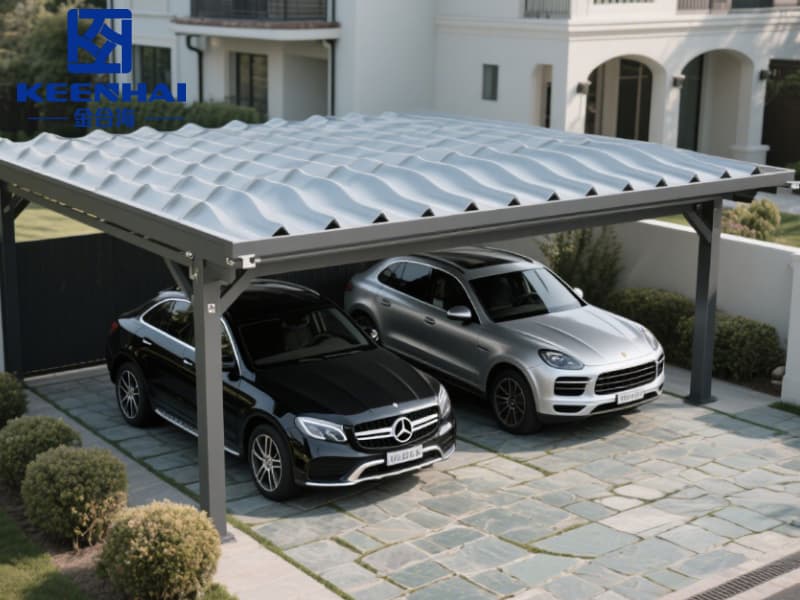
3. Top 10 Heavy-duty Aluminum Carports by Roof Design
Roof design directly affects drainage efficiency, load distribution, and long-term durability. In 2026 rankings, top-performing structures earn their place because the roof geometry solves real problems—snow shedding, wind uplift control, and heat management—without adding unnecessary complexity. Below, each design ranks based on measurable performance rather than appearance.
3.1 Flat Roof Heavy-duty Aluminum Carports
Flat roofs rank high in urban and modern residential settings where clean lines and height restrictions matter. Despite the name, these roofs use a 1–3° micro-slope to ensure controlled water drainage. Installers often integrate hidden gutters inside the beam profile, which prevents runoff from splashing onto vehicles or walkways.
In dense neighborhoods, contractors choose flat roofs to keep overall structure height low while still supporting reinforced aluminum beams that handle moderate snow loads. The key advantage lies in predictable load transfer, which simplifies engineering calculations and reduces installation time on tight sites.
3.2 Gable Roof Heavy-duty Aluminum Carports
Gable roofs dominate rankings in regions with heavy rain or snow because the pitched geometry actively sheds loads. Typical pitch angles range from 15° to 30°, allowing snow to slide off before accumulation becomes structural stress.
A common suburban use case involves multi-vehicle driveways in northern climates. Builders select gable designs to avoid manual snow removal while keeping interior clearance high for taller vehicles. During installation, crews usually:
-
Anchor ridge beams first to establish symmetry.
-
Install opposing rafters to balance lateral forces.
-
Secure roof panels from ridge to eave to maintain alignment.
This design consistently ranks high because it trades a slightly taller profile for superior weather performance.
3.3 Curved and Arched Roof Heavy-duty Aluminum Carports
Curved and arched roofs earn top positions in wind-prone and coastal areas. The aerodynamic shape reduces uplift pressure and allows wind to flow over the surface instead of catching edges. Radius-controlled aluminum panels also distribute stress evenly across the frame, which lowers fatigue over time.
In exposed rural properties, installers often choose arched roofs after repeated failures with flat structures. The curved profile naturally channels rainwater and debris, reducing maintenance while maintaining a distinctive architectural presence.
| Roof Design | Best Climate Use | Structural Advantage |
|---|---|---|
| Flat | Urban, low snow | Low height, simple load paths |
| Gable | Snowy, rainy regions | Fast drainage, high load tolerance |
| Curved / Arched | Windy, coastal zones | Reduced uplift, even stress distribution |
Roof geometry remains one of the most decisive ranking factors, because it directly determines how the structure responds to environmental forces year after year.
4. Top 10 Heavy-duty Aluminum Carports by Use Scenario
Use scenario plays a decisive role in how the top 10 structures are ranked. A Heavy-duty Aluminum Carport only earns a high position when its design logic clearly matches how people actually use the space—daily parking, frequent vehicle movement, equipment storage, or mixed residential and commercial needs. Below, each category focuses on functional performance rather than generic labeling.
4.1 Residential Heavy-duty Aluminum Carports
Top-ranked residential models prioritize daily convenience, clean layout, and long-term stability. Homeowners typically need reliable protection for one or two vehicles, easy access to doors, and minimal visual clutter. Most high-performing residential setups use single-span or compact double-span frames, which reduce column interference and simplify parking.
In real suburban projects, installers often position columns to align with driveway edges rather than door swing zones. This small structural adjustment directly improves daily usability, especially for larger SUVs. Drainage channels integrated into roof beams also rank highly, because they prevent water from dripping onto entry paths during rain.
4.2 Commercial and Industrial Heavy-duty Aluminum Carports
Commercial rankings focus on scalability, traffic flow, and structural repetition. Facilities such as office parks, warehouses, and retail centers require wide spans, consistent bay spacing, and predictable load behavior. Many top 10 solutions fall under engineered Commercial Aluminum Carport systems, where modular frames support long rows without compromising strength.
In logistics yards, installers often follow a structured deployment approach:
-
Establish column grids based on vehicle turning radius.
-
Use reinforced beams to support continuous roofing across multiple bays.
-
Align drainage and expansion joints to handle thermal movement.
These designs rank highly because they reduce installation time per bay while maintaining uniform performance across large areas.
4.3 Mixed-Use and Multi-Purpose Heavy-duty Carport Systems
Mixed-use systems earn top rankings when flexibility becomes the priority. These structures serve residential parking during off-hours and light commercial or equipment storage during the day. Designers often combine wider spans with adjustable column spacing, allowing the same frame to support vehicles, trailers, or shaded work zones.
A common example appears in small business properties attached to homes, where owners park personal vehicles at night and service vans during working hours. Multi-purpose layouts rank well because they maximize usable square footage without increasing footprint, making them practical for properties with zoning or space limitations.
| Use Scenario | Primary Design Focus | Why It Ranks High |
|---|---|---|
| Residential | Access, aesthetics, daily use | Improves convenience and curb appeal |
| Commercial / Industrial | Span efficiency, repetition | Supports high traffic and scalability |
| Mixed-Use | Flexibility, adaptability | Serves multiple functions year-round |
Use-driven design remains a core ranking factor, because structures that align with real behavior consistently outperform those built around generic specifications.
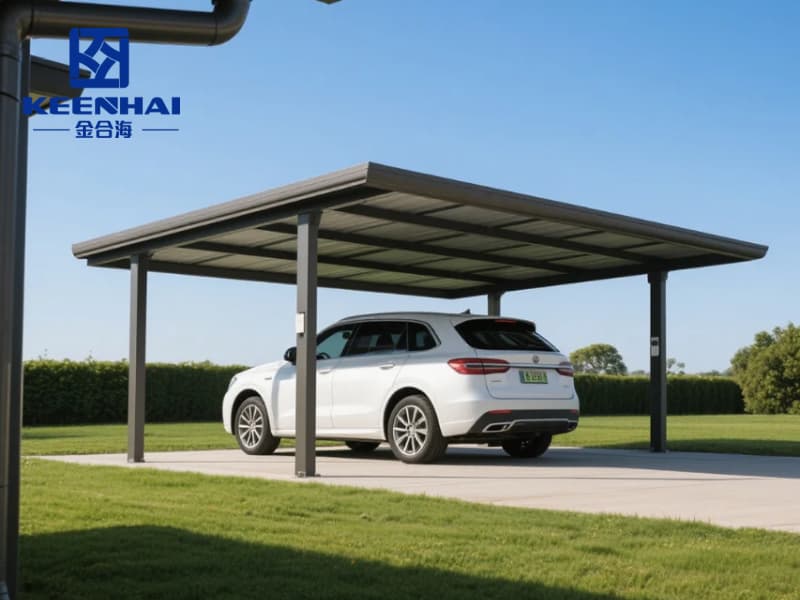
5. Top 10 Heavy-duty Aluminum Carports by Customization Level
Customization level directly affects how well a structure fits its site, usage pattern, and long-term expectations. In 2026 rankings, top-performing solutions stand out because they balance design flexibility with structural discipline, rather than offering customization for its own sake.
5.1 Standard Modular Heavy-duty Aluminum Carports
Standard modular systems rank highly when speed, cost control, and predictable performance matter most. These designs rely on pre-engineered spans, fixed column spacing, and standardized roof profiles. Typical modules range from 3 to 6 meters in width, which suits most residential driveways and light-duty parking areas.
Installers favor modular units for projects with tight timelines because they follow a clear workflow:
-
Prepare uniform concrete footings based on preset load data.
-
Assemble columns and beams using factory-drilled connections.
-
Install roof panels and integrated drainage in sequence.
The strength of modular systems lies in consistency, which explains why they remain a top choice for homeowners who value reliability over design variation.
5.2 Semi-Custom Heavy-duty Aluminum Carport Systems
Semi-custom systems rank higher when sites introduce moderate constraints such as uneven ground, limited setbacks, or mixed vehicle sizes. These designs retain a modular core but allow adjustments in span width, column height, or roof pitch.
In practice, contractors often adjust beam spacing to accommodate taller vehicles or reposition columns to avoid underground utilities.
A common real-world example involves townhouse developments where each unit shares a similar footprint but requires slight dimensional changes. Semi-custom configurations reduce compromise without triggering full custom costs, which makes them a frequent top-10 candidate for developers and small commercial users.
5.3 Fully Custom Heavy-duty Aluminum Carports for Specific Sites
Fully custom solutions dominate rankings when the site itself defines the design. Irregular property lines, sloped terrain, or multi-functional usage often demand a Custom Aluminum Carport approach, where every structural decision responds to actual conditions rather than preset dimensions.
For hillside homes or corner lots, engineers typically:
-
Survey elevation changes and soil bearing capacity.
-
Design variable column heights and stepped beams.
-
Integrate drainage paths that follow natural runoff.
These projects rank highly because they solve problems standard systems cannot, delivering precise fit, long-term stability, and efficient use of challenging spaces.
| Customization Level | Typical Use Case | Ranking Advantage |
|---|---|---|
| Standard Modular | Flat sites, fast installs | Predictable cost and performance |
| Semi-Custom | Minor constraints | Balanced flexibility and efficiency |
| Fully Custom | Complex or irregular sites | Maximum fit and functional precision |
Customization level remains a key ranking dimension, because the best-performing carports in 2026 succeed by matching structure to reality, not forcing reality to fit a template.